 AS Saint-Étienne Hub
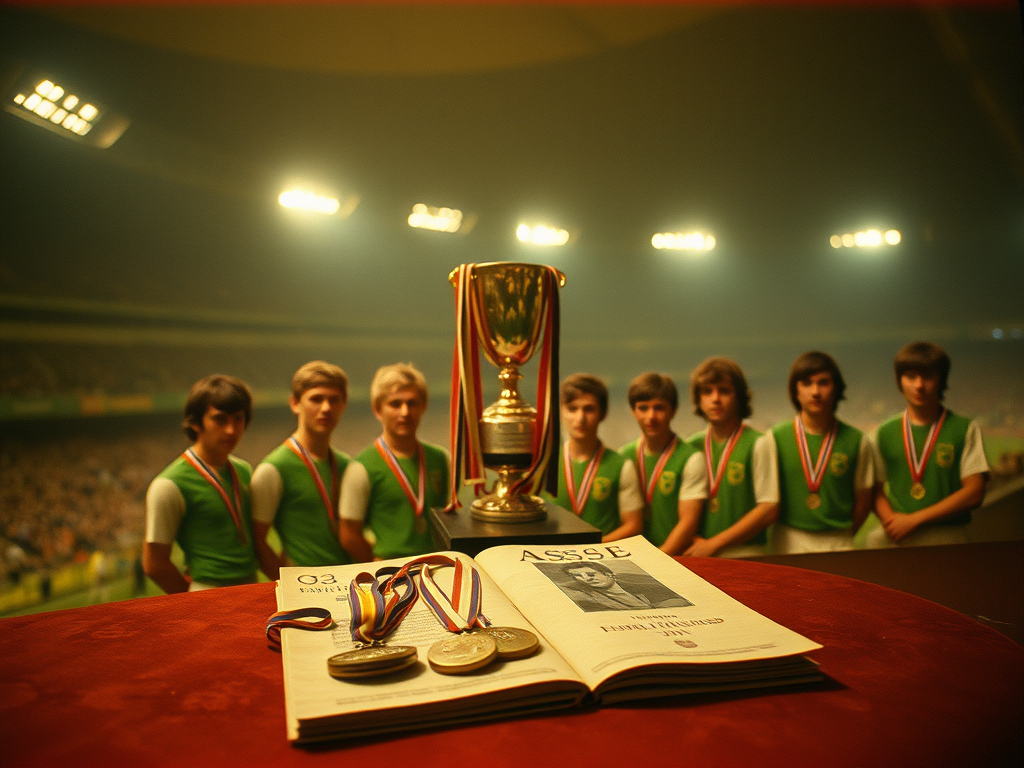
The 1970s were a transformative decade for AS Saint-Étienne, known affectionately as Les Verts. Under the guidance of coach Robert Herbin, the club not only secured multiple league titles but also redefined tactical innovation in French football. While the 1968 championship and European glory in 1976 are often celebrated, the tactical groundwork laid throughout the early 1970s deserves equal recognition.
During this period, AS Saint-Étienne embraced a fluid style of play that emphasized ball control and intelligent positioning. Herbin's team was characterized by a disciplined approach to defense coupled with rapid transitions to attack. This blend of tactical awareness and technical skill allowed Saint-Étienne to exploit the weaknesses of their opponents effectively. Players like Michel Platini, who would later become a global icon, thrived in this environment, demonstrating creativity and vision that captivated fans and left an indelible mark on the club's history.
One notable moment during this era was the 1974-75 season, where AS Saint-Étienne showcased their tactical prowess in the domestic league. The team utilized a 4-3-3 formation, which allowed them to maintain a solid defensive line while also providing dynamic attacking options. This formation became a template for success, as the players learned to interchange positions seamlessly, creating confusion among their adversaries. The synergy between the players was evident as they executed intricate passing sequences that often culminated in well-coordinated attacks.
Saint-Étienne's tactical evolution was not without its challenges, though. The emergence of rival clubs, particularly Olympique Lyonnais, pushed Les Verts to refine their strategies continually. The local derby, known as "Le Derby Rhodanien," became a battleground that showcased the tactical ingenuity of both teams. These encounters were not just about points; they were a test of mental fortitude and tactical acumen, elevating the rivalry to new heights.
Moreover, the club's success during the 1970s was not merely a product of tactical brilliance; it was also fueled by a passionate fan base that rallied behind the team. The atmosphere at the Stade Geoffroy-Guichard became a fortress for Les Verts, as supporters created an electric ambiance that inspired the players to perform at their best. This connection between the fans and the team became a defining characteristic of AS Saint-Étienne, further solidifying their status as a footballing powerhouse.
As the decade progressed, the tactical innovations introduced by Herbin and his squad would go on to influence future generations of players and coaches. The principles of ball control, positional interchange, and quick transitions became staples of the club's philosophy, setting the foundation for their continued success in the years to come. The legacy of the 1970s, marked by both triumphs and trials, remains a vital chapter in the story of AS Saint-Étienne.
In conclusion, while the 1970s were a time of great success for AS Saint-Étienne, it was the tactical innovations and the foundation laid during this era that truly set the club apart. As Les Verts continue to navigate the challenges of modern football, the lessons learned from this iconic period serve as a reminder of the club's rich heritage and the enduring spirit of its supporters.